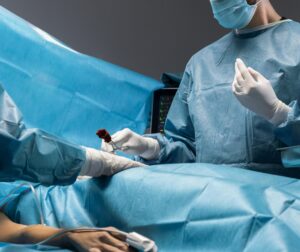
Cancer care has entered a transformative phase. Treatments that once relied mainly on surgery, radiation, or conventional chemotherapy are now supported by highly targeted and biologically driven approaches. Two key advancements leading this shift are stem cell collection and precision oncology methods designed to address cancer at its source rather than only managing visible symptoms.
For patients and families exploring advanced oncology treatment in Palakkad, understanding these developments can make decision-making more informed and less overwhelming. Today’s oncology ecosystem combines early diagnosis, molecular-level analysis, and specialized therapies to improve outcomes in complex cancers such as leukemia, lymphoma, and other blood-related disorders. This article explains how stem cell technology and precision medicine are reshaping cancer care, and why these innovations are becoming central to modern oncology

How Cancer Care Is Evolving
Over the past two decades, oncology has steadily moved toward individualized treatment. Traditional chemotherapy works by targeting rapidly dividing cells, but it cannot distinguish effectively between cancerous and healthy cells. This often leads to widespread side effects.
Precision oncology introduces a more refined approach. By studying the genetic and molecular profile of a tumour, doctors can identify what drives its growth and survival. This allows them to choose therapies that specifically target those mechanisms.
Centres offering advanced oncology treatment in Palakkad are increasingly incorporating molecular diagnostics into routine cancer evaluation. These tools enable clinicians to map mutations, biomarkers, and signalling pathways that influence tumour behaviour.
In parallel, early disease detection imaging techniques, such as cancer screening MRI, have strengthened diagnostic accuracy. Detecting cancer at an earlier stage improves the likelihood of successful treatment and may reduce the intensity of therapy required.
This shift from generalised treatment to biologically guided care marks a significant advancement in oncology.
Understanding Stem Cell Collection and Its Role in Cancer Treatment
Stem cell therapy has become a cornerstone in the treatment of several blood cancers. Stem cells are primitive cells capable of developing into different types of blood components, including red cells, white cells, and platelets.
During high-dose chemotherapy, which is often necessary to eliminate aggressive cancer cells, the bone marrow’s ability to produce healthy blood cells can be severely affected. This is where stem cell transplantation becomes critical.
A stem cell collection hospital performs a process called apheresis, where stem cells are collected from the patient’s bloodstream. These cells are then preserved and reinfused after intensive treatment.
Stem cell transplantation is widely used in managing:
- Leukaemia
- Lymphoma
- Multiple myeloma
- Certain bone marrow disorders
This method allows oncologists to deliver stronger cancer treatments while maintaining the body’s ability to regenerate blood cells. It plays a crucial role in improving recovery rates and treatment tolerance.
Precision Oncology and Tumor-Targeted Therapy
Precision oncology represents one of the most important shifts in cancer treatment strategy. Rather than applying a uniform treatment plan, doctors analyse each tumour at a molecular level.
This analysis helps identify specific genetic mutations or proteins that contribute to cancer growth. Based on these findings, targeted medications can be prescribed to block these pathways.
Tumor-targeted therapy works by interfering with the mechanisms that allow cancer cells to grow and spread. Unlike traditional chemotherapy, these treatments aim to spare healthy tissues, reducing unwanted side effects.
These therapies are often used alongside chemotherapy, radiation, or immunotherapy to enhance overall effectiveness.
Hospitals offering specialized cancer care in Kerala are increasingly adopting genomic testing and advanced diagnostics to guide treatment decisions. This personalised model improves both clinical outcomes and patient experience.
The Importance of Early Detection in Cancer Care
Early diagnosis remains one of the strongest predictors of successful cancer treatment. Advances in imaging technology have significantly improved the ability to detect tumours before symptoms become severe.
A cancer screening MRI is particularly useful in identifying abnormalities in soft tissues. It provides high-resolution images that help doctors detect small or complex tumours that may not be visible through standard imaging methods.
Benefits of early detection include:
- Treatment at an earlier stage
- Reduced need for aggressive therapies
- Improved survival rates
- Better overall prognosis
Modern oncology systems integrate imaging, laboratory diagnostics, and pathology services to ensure accurate and timely diagnosis. This integrated approach supports faster clinical decisions and more effective treatment planning.
Blood Cancer Treatment Options: A Structured Approach
Blood cancers affect the bone marrow and lymphatic system, both essential for immune function. Managing these conditions requires a combination of therapies tailored to the patient’s specific diagnosis.
- Chemotherapy
Chemotherapy remains a primary treatment for many forms of leukaemia and lymphoma. It targets rapidly dividing cells throughout the body.
- Stem Cell Transplantation
Following high-dose chemotherapy, stem cell transplantation restores healthy blood cell production. It is often essential in advanced or recurrent cases.
- Targeted Therapy
Targeted drugs block specific molecules that cancer cells rely on for survival and growth.
- Immunotherapy
This approach enhances the body’s immune system to recognise and destroy cancer cells more effectively.
Facilities with a dedicated oncology department in Palakkad typically evaluate each patient through a multidisciplinary lens before selecting the most appropriate combination of treatments.
Why Specialist Expertise Matters in Oncology Care
Cancer treatment is inherently complex. It involves coordination between oncologists, haematologists, radiologists, pathologists, and supportive care teams.
Consulting the best oncologist in Palakkad ensures that patients receive accurate diagnosis, evidence-based treatment recommendations, and continuous monitoring. Experienced specialists can interpret diagnostic data, assess treatment response, and modify plans when necessary.
Centres offering specialized cancer care in Kerala also provide supportive services such as nutritional counselling, psychological support, and rehabilitation programs. These services help patients manage the physical and emotional demands of treatment.
A multidisciplinary and patient-focused approach improves both clinical outcomes and quality of life during and after treatment.
The Role of Integrated Oncology Departments
Modern cancer care is delivered through integrated systems where diagnostics, treatment, and follow-up care are coordinated seamlessly.
A comprehensive oncology department in Palakkad typically includes:
- Medical oncology services
- Hematology and stem cell therapy programs
- Radiation oncology units
- Advanced imaging and diagnostic facilities
- Dedicated cancer care teams
This integrated structure reduces delays in diagnosis and treatment, ensures continuity of care, and improves communication between specialists.
A New Era in Cancer Care
Cancer treatment is evolving rapidly, driven by advances in precision medicine and regenerative therapies. Stem cell collection and tumor-targeted therapy are transforming how complex cancers are treated.
For individuals seeking advanced oncology treatment in Palakkad, access to modern diagnostics, specialised expertise, and personalised treatment pathways is essential. Early detection, accurate diagnosis, and tailored therapy together form the foundation of effective cancer management.
As research continues to progress, the focus remains clear: delivering treatments that are not only more effective but also more precise, safer, and better aligned with each patient’s unique condition.