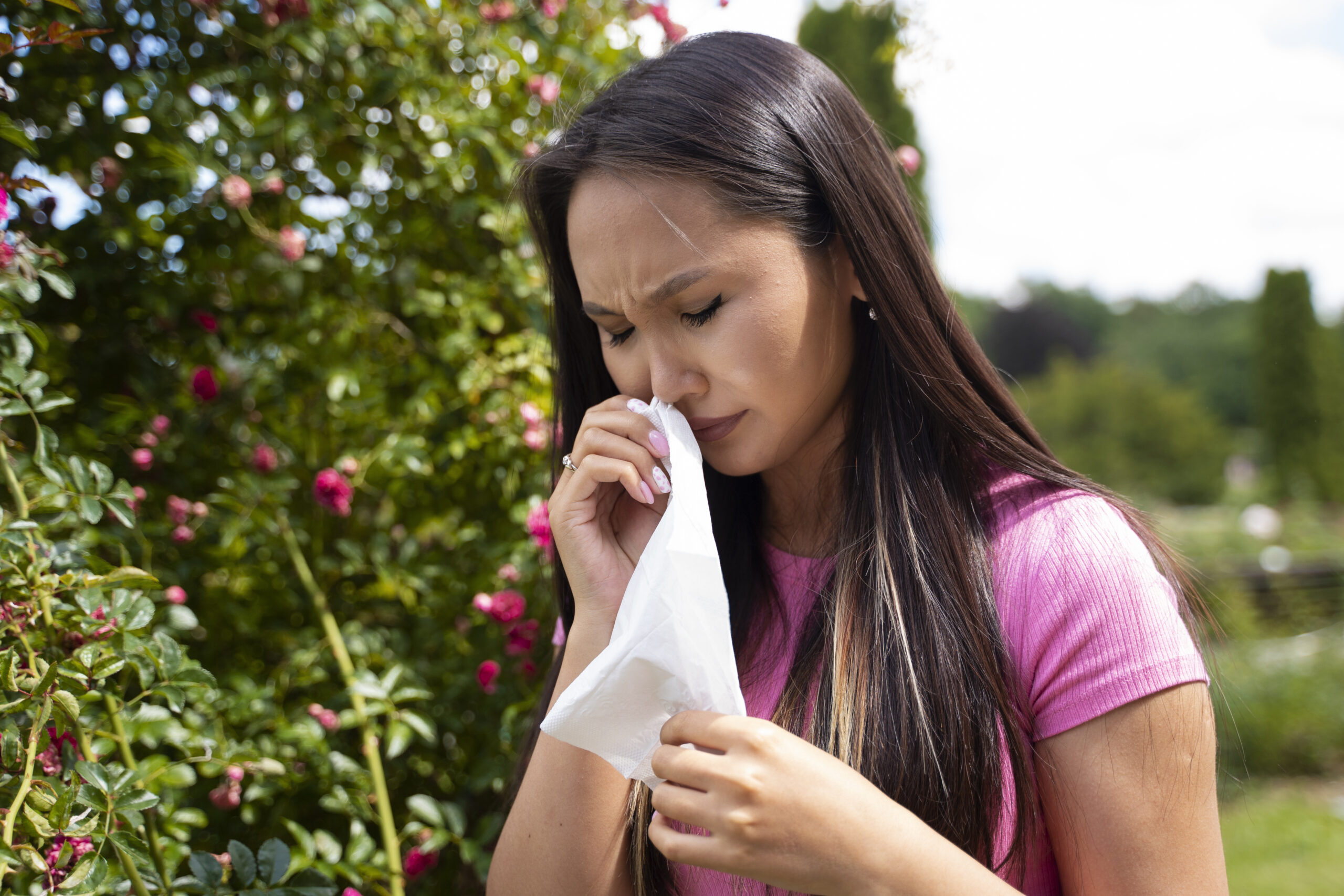
Seasonal changes often bring relief from one set of health concerns, only to introduce another. In Kerala, the summer months can be particularly challenging for individuals with respiratory conditions. Rising temperatures, increased humidity, dust exposure, and pollen levels can trigger allergies and worsen breathing difficulties.
For children with asthma, elderly individuals, and those living with chronic lung conditions, these environmental changes can lead to frequent flare-ups. Symptoms such as wheezing, shortness of breath, chest tightness, and persistent coughing often become more pronounced during this time. Understanding how seasonal factors affect respiratory health can make a significant difference. Consulting a qualified pulmonologist in Palakkad can help individuals manage symptoms effectively and prevent complications during the summer months.
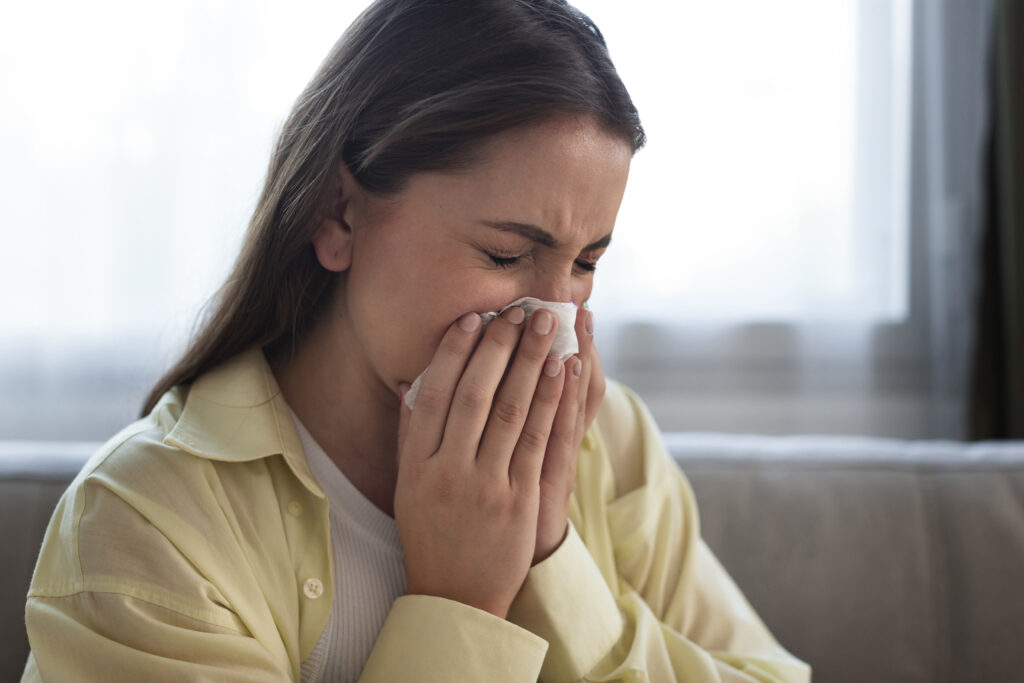
Why Summer Triggers Respiratory Problems
Summer in Kerala is not just about heat; it is also associated with increased airborne irritants. Dust accumulation, higher pollen counts, and indoor allergens such as mould and mites become more active during this season.
These factors contribute to summer allergies in Kerala, which can affect both the upper and lower respiratory tract. For individuals with asthma or chronic respiratory conditions, exposure to these triggers can lead to inflammation of the airways, making breathing more difficult.
Humidity also plays a role. High moisture levels can encourage the growth of mould, which is a known allergen. At the same time, sudden temperature changes can irritate the airways and provoke symptoms.
This is why individuals with a history of breathing issues should take preventive steps and seek guidance from a breathing-problems doctor when symptoms begin to worsen.
Understanding Asthma and Seasonal Allergies
Asthma is a chronic condition in which the airways become inflamed and narrow, making it difficult to breathe. Seasonal allergies, on the other hand, occur when the immune system reacts to environmental triggers such as pollen, dust, or mould.
While these conditions are different, they are often closely linked. Allergies can act as a trigger for asthma attacks, especially during seasonal transitions.
Common symptoms include:
- Wheezing or whistling sound while breathing
- Shortness of breath
- Chest tightness
- Persistent coughing, especially at night or early morning
- Sneezing, nasal congestion, or itchy eyes
For many patients, managing both conditions requires a coordinated approach that includes medication, lifestyle adjustments, and regular monitoring.
Hospitals offering asthma treatment in Palakkad focus on identifying triggers and tailoring treatment plans to reduce the frequency and severity of symptoms.
Identifying High-Risk Groups
Certain groups are more vulnerable to respiratory issues during seasonal changes.
- Children with Asthma
Children are particularly sensitive to environmental triggers. Exposure to dust, pollen, or strong odours can quickly lead to asthma symptoms.
- Elderly Individuals
Age-related changes in lung function make older adults more susceptible to respiratory infections and breathing difficulties.
- Patients with Chronic Lung Diseases
Conditions such as chronic obstructive pulmonary disease (COPD) require continuous monitoring. Seasonal triggers can worsen symptoms and increase the risk of complications. Effective COPD management involves regular medical supervision, adherence to prescribed medications, and avoiding known triggers.
Individuals in these groups should consider regular check-ups at an allergy and asthma clinic to ensure their condition remains under control.
Preventive Measures for Summer Allergies
Preventing exposure to triggers is one of the most effective ways to manage respiratory conditions.
- Maintain Indoor Air Quality
Keep living spaces clean and well-ventilated. Use air purifiers if necessary to reduce indoor allergens such as dust and pollen.
- Control Humidity Levels
Excess moisture can lead to mould growth. Using dehumidifiers or ensuring proper ventilation can help maintain a balanced indoor environment.
- Limit Outdoor Exposure During Peak Hours
Pollen levels are often higher during certain times of the day. Reducing outdoor activities during these periods can minimise exposure.
- Stay Hydrated
Adequate hydration helps maintain the mucosal lining of the respiratory tract, reducing irritation.
- Follow Prescribed Medication
Patients should continue their medication as advised by their doctor, even if symptoms appear to improve.
These measures, when combined with medical guidance, can significantly reduce the risk of flare-ups.
Treatment Options for Respiratory Conditions
Modern respiratory disease treatment focuses on both symptom relief and long-term control. The goal is to reduce inflammation, improve airflow, and prevent future episodes.
- Inhalation Therapy
Inhalers are commonly used to deliver medication directly to the lungs. They provide quick relief during asthma attacks and help control inflammation over time.
- Allergy Management
Antihistamines and other medications may be prescribed to control allergic reactions.
- Pulmonary Rehabilitation
For patients with chronic conditions, structured rehabilitation programs can improve lung function and overall quality of life.
- Monitoring and Follow-Up
Regular consultations with a pulmonologist in Palakkad allow doctors to adjust treatment plans based on the patient’s condition.
Patients searching for the best lung specialist near me should prioritise hospitals that offer comprehensive respiratory care, including diagnostics, treatment, and follow-up support.
When to Seek Medical Attention
While mild symptoms can often be managed at home, certain signs require immediate medical evaluation.
These include:
- Severe shortness of breath
- Rapid breathing or difficulty speaking
- Bluish discoloration of lips or fingertips
- Chest pain or tightness that does not improve
- Frequent asthma attacks
Ignoring these symptoms can lead to serious complications. Early intervention by a qualified breathing problems doctor can prevent the condition from worsening.
The Role of Specialized Respiratory Care
Comprehensive respiratory care goes beyond treating symptoms. It involves identifying triggers, managing underlying conditions, and improving overall lung health.
Hospitals that offer dedicated respiratory services often include:
- Advanced diagnostic tools, such as pulmonary function tests
- Allergy testing and management
- Long-term care plans for chronic conditions
- Emergency care for acute respiratory episodes
An established allergy and asthma clinic provides structured care for patients dealing with seasonal and chronic respiratory issues.
At Thangam Hospital, respiratory care focuses on a patient-centered approach that combines clinical expertise with modern diagnostic and treatment methods.
Conclusion: Protecting Your Lungs During Seasonal Changes
Seasonal shifts can have a significant impact on respiratory health, especially for individuals with asthma or chronic lung conditions. Understanding the triggers and taking preventive measures can help reduce the risk of flare-ups.
For those experiencing persistent symptoms, consulting a qualified pulmonologist in Palakkad is essential. Early diagnosis, appropriate treatment, and regular monitoring can improve quality of life and prevent complications.
At Thangam Hospital, respiratory care is designed to address both immediate symptoms and long-term health. From managing seasonal allergies to providing advanced care for chronic conditions, the focus remains on helping patients breathe easier and live healthier. If you or a loved one is facing breathing difficulties this summer, timely medical guidance can make all the difference in maintaining respiratory health.