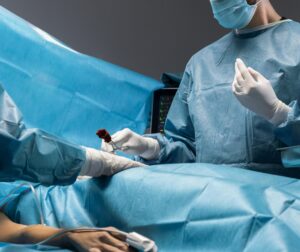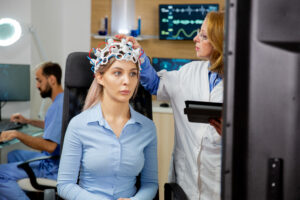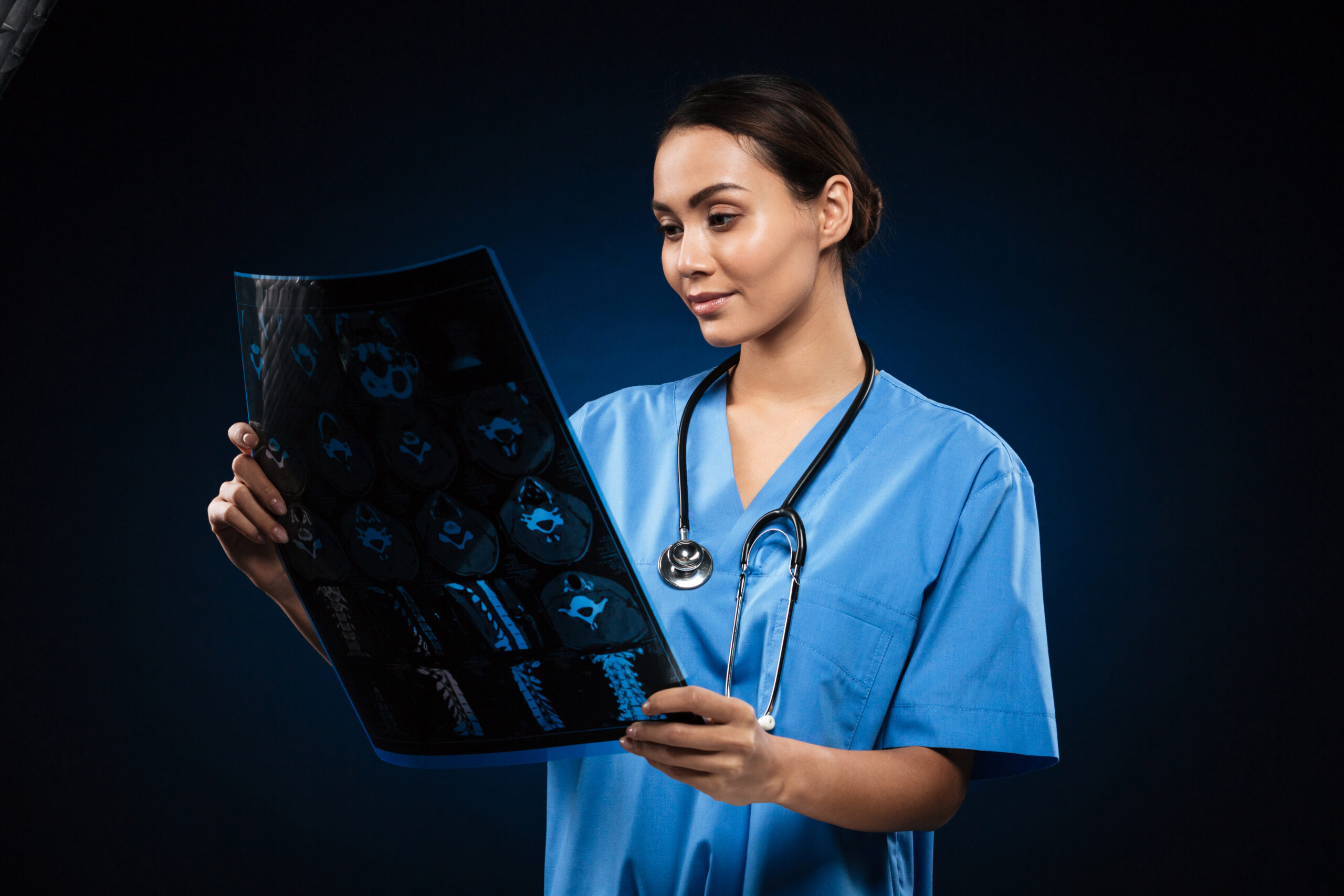
Modern healthcare has evolved rapidly, and one of the biggest driving forces behind this transformation is advanced diagnostic imaging. Whether a patient arrives with sudden chest pain, a suspected stroke, or lingering discomfort that has no clear cause, doctors rely on precise imaging to understand what is happening inside the body. At Thangam Hospital in Palakkad, imaging is not simply a testing step; it is the foundation of accurate diagnosis, targeted treatment, and safer recovery.
This blog explores how advanced imaging technologies work, why they matter, and how they improve outcomes for patients and families every single day.
Why Advanced Imaging Matters in Today’s Healthcare
The nature of the disease has changed. Many conditions progress silently until they become serious. Others, like stroke or internal bleeding, require instant intervention. Advanced diagnostic imaging fills this crucial gap by offering:
- Early detection of abnormalities
- Clear and accurate diagnosis
- Safe, minimally invasive treatment guidance
- Better monitoring during recovery
- Prevention of complications
In short, imaging has become one of the most important pillars of modern medical care.
What Is Advanced Diagnostic Imaging?
Advanced diagnostic imaging refers to high-tech tools that create detailed images of the body’s organs, tissues, and internal systems. These tools help doctors “see” what is happening inside without the need for major invasive procedures.
Key imaging technologies include:
- X-rays for bones and chest conditions
- Ultrasound for abdominal, vascular, and pregnancy scans
- CT scans for quick cross-sectional imaging
- MRI scans for high-detail brain, spine, and soft-tissue evaluation
- Digital mammography for breast cancer screening
- Doppler imaging for blood flow assessment
- Fluoroscopy for real-time imaging during procedures
Each modality provides unique insights and helps clinicians tailor treatment to each patient’s needs.
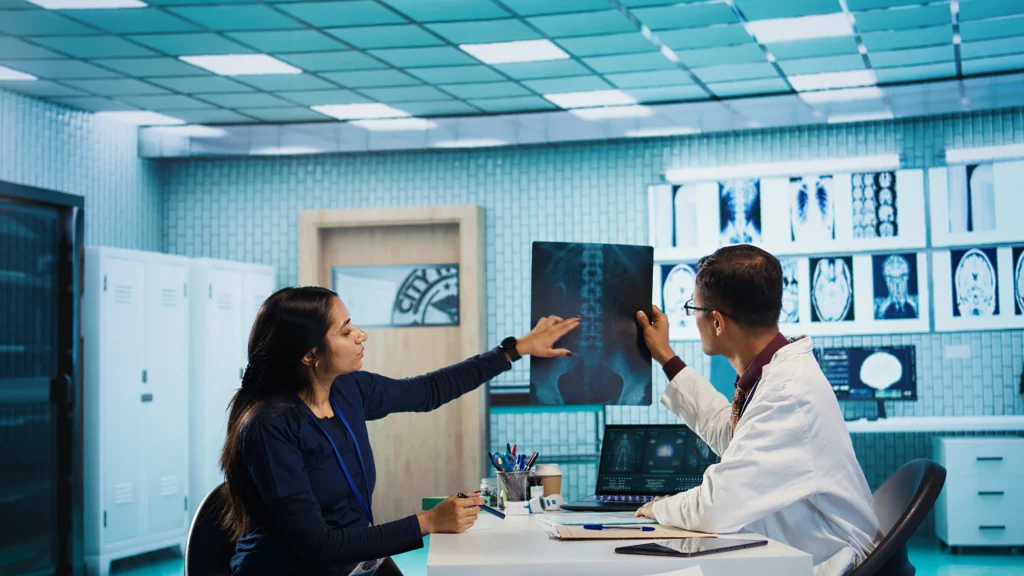
Radiology and Imaging Tests: What They Reveal
CT Scan and MRI Uses
Among all technologies, CT and MRI are the most advanced and widely used.
CT Scan: Speed and Detail Combined
A CT scan uses X-rays to create detailed cross-sectional images. Doctors rely on CT for:
- Detecting internal injuries after trauma
- Identifying lung disease, infections, or tumours
- Assessing abdominal pain or suspected appendicitis
- Evaluating stroke in emergencies
- Guiding biopsies and minimally invasive procedures
The speed of a CT scan makes it invaluable for emergency care.
MRI Scan: High-Precision Soft-Tissue Imaging
MRI uses magnetic fields and radio waves to create extremely detailed images. It is especially helpful for:
- Brain and spinal cord conditions
- Ligament tears and joint injuries
- Tumour detection and monitoring
- Neurological disorders
- Soft-tissue and organ abnormalities
MRI scans often reveal what other imaging tests cannot.
Early Disease Detection Imaging: The Power of Prevention
Early detection is one of the greatest strengths of modern imaging. Many conditions begin quietly. Imaging helps spot early changes, such as:
- Small, yet significant tumours
- Early signs of liver disease
- Hidden kidney abnormalities
- Subtle neurological changes
- Thyroid nodules or cysts
- Emerging vascular blockages
When diseases are found early, treatment becomes more effective, less invasive, and far more successful.
How Medical Imaging Diagnosis Enhances Precision Care
Accurate imaging directly shapes the quality of treatment. Here’s how.
1. Precision Leads to Better Decisions
Without imaging, doctors often rely only on symptoms or physical examination. With imaging support, they can:
- Diagnose with confidence
- Plan the exact treatment approach
- Reduce unnecessary procedures
- Detect complications early
- Personalize care for each patient
This precision directly impacts recovery and long-term health outcomes.
2. Imaging-Guided Treatment: The New Standard of Care
Today, imaging does not just diagnose; it also guides treatment. These procedures are minimally invasive and offer quicker recovery.
Common imaging-guided procedures include:
- Ultrasound-guided biopsies for liver, thyroid, or breast
- CT-guided nerve blocks for pain management
- Image-guided tumour ablation
- Fluoroscopy-guided vascular procedures
- MRI-guided neurological therapies
Because doctors can see exactly where they are operating, these treatments are safer and more effective.
3. Better Monitoring During Treatment
Even after a diagnosis is made, imaging plays a continuous role. For example:
- CT or MRI tracks whether a tumour is shrinking during cancer therapy
- X-ray checks how a fractured bone is healing
- Ultrasound monitors post-surgical recovery
- Doppler imaging assesses blood flow in patients with vascular disease
This helps doctors adjust treatment strategies in real time, improving outcomes.
How Advanced Imaging Improves Treatment Outcomes
1. Faster Action in Emergency Care
Time is life in emergencies, especially strokes, accidents, or sudden paralysis. Rapid CT or MRI imaging helps doctors:
- Identify brain bleeding or clots
- Detect internal organ damage
- Assess spine injuries
- Guide emergency surgery or medication
In cases like stroke, fast imaging may be the deciding factor between disability and full recovery.
2. Reduced Risk of Complications
Many complications arise because diseases go unnoticed or are unclear. Imaging helps prevent this by:
- Detecting issues early
- Identifying hidden infections
- Guiding surgical planning
- Preventing wrong or delayed treatment decisions
Better information reduces risk at every step.
3. More Targeted and Personalised Treatments
When doctors can visualize problems clearly, treatments become more precise:
- Surgeons operate with better accuracy
- Oncologists target tumours more effectively
- Physicians choose appropriate medication
- Radiologists guide minimally invasive procedures safely
Every treatment decision becomes data-driven.
4. Greater Reassurance for Patients and Families
Seeing an accurate picture of one’s health helps patients understand their condition better. Imaging reports bring clarity to stressful situations and increase trust in medical advice.
Pathology and Radiology: A Powerful Combination
Imaging becomes even more effective when paired with strong pathology support. Together, they create a complete diagnostic ecosystem.
Key pathology and radiology services include:
- Blood tests and biochemical profiles
- Histopathology and biopsy analysis
- Hormonal evaluation
- Microbiology and infectious disease testing
- Imaging of organs, bones, tissues, and blood vessels
This integrated approach allows doctors to cross-verify findings and make precise clinical decisions.
Why Hospitals Like Thangam PMRC Invest in Advanced Diagnostic Imaging
Hospitals committed to high-quality care know that precision diagnosis is the first step toward successful treatment. Facilities like Thangam Hospital invest in modern imaging because:
- Earlier detection saves lives
- Accurate diagnosis reduces complications
- Imaging-guided treatments improve safety
- High-resolution imaging builds trust among patients
- Doctors can plan surgeries and therapies more effectively
- Patients recover faster and with fewer risks
Every scan contributes to better outcomes, from the first day of diagnosis to the last day of recovery.
Seeing Clearly Means Healing Better
Advanced diagnostic imaging has changed the way modern medicine works. It allows diseases to be detected earlier, helps doctors choose the right treatment, guides procedures with precision, and ensures recovery stays on track. For patients and families, it brings confidence and peace of mind during uncertain moments.
If you are seeking reliable, high-quality imaging services, choosing a hospital with strong radiology, pathology, and interventional capabilities can make a significant difference. At Thangam Hospital, advanced imaging is not just technology; it is a commitment to accurate diagnosis, personalised care, and better outcomes for every patient.