Cervical cancer is a health concern that many women face, yet don’t fully understand until it’s too late. Unlike many cancers, cervical cancer is largely preventable, and early detection can dramatically improve outcomes. With rising awareness and improved care services in India, including at Thangam Hospital in Palakkad, women today have greater access to education, screening, and treatment options that can save lives.
In this blog, we’ll explain the early signs of cervical cancer, outline practical steps for cervical cancer prevention, and help you understand how cervical cancer can be prevented through regular screening and timely care.
Understanding Cervical Cancer and Its Causes
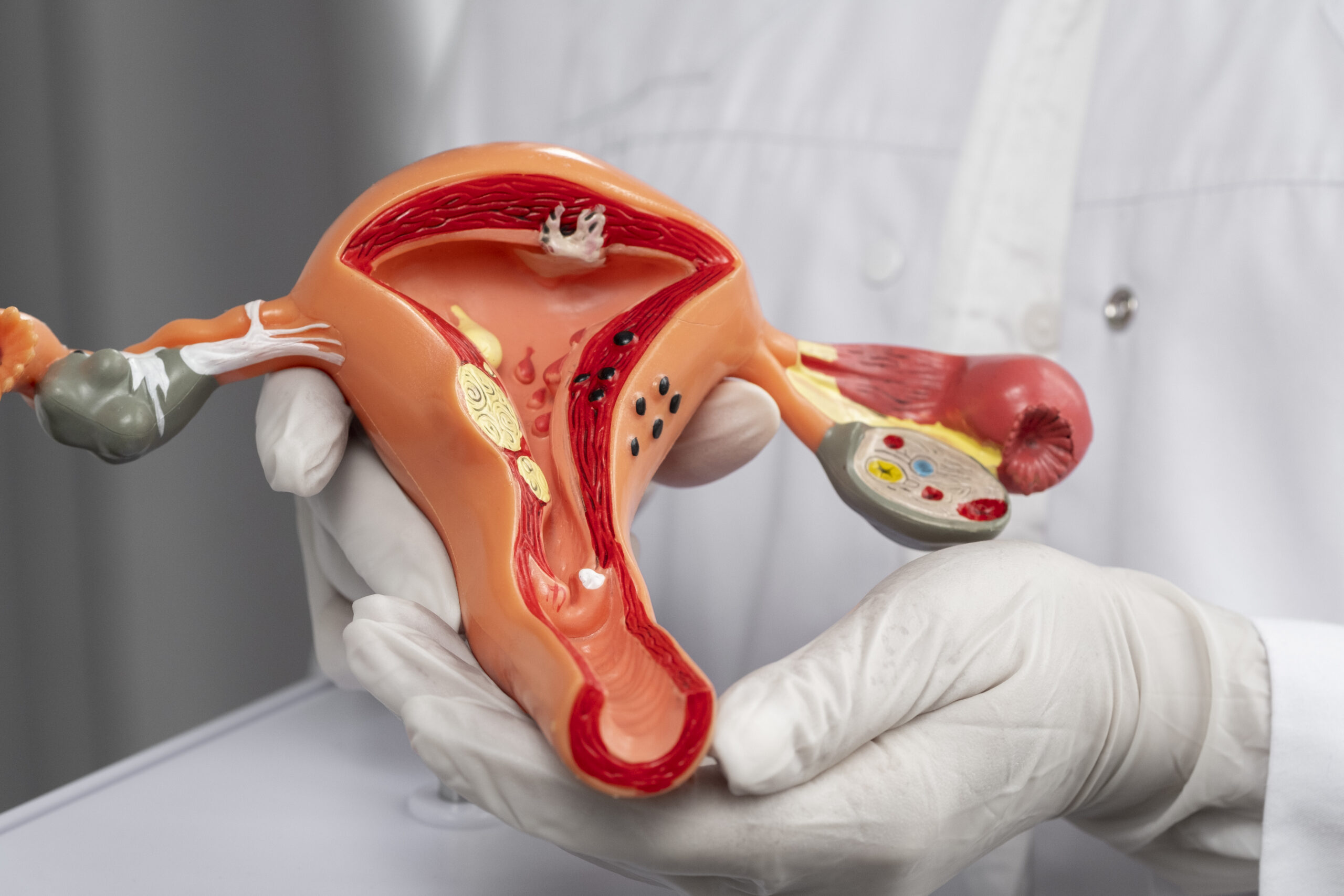
Cervical cancer develops when abnormal cells begin to grow in the cervix, which is the lower portion of the uterus opening into the vaginal canal. The most common cause is long-term infection with high-risk types of the human papillomavirus (HPV), a virus transmitted through intimate contact.
Most HPV infections resolve on their own, but persistent infection can lead to cell changes in the cervix. Over time, these changes can turn precancerous and eventually develop into cervical cancer if not detected early. Regular screening and preventive care help identify these changes before they become serious.
What Are the Early Signs of Cervical Cancer?
Recognizing the early signs of cervical cancer can prompt quicker medical evaluation and improve the chance of successful treatment. Unlike some illnesses, cervical cancer may not show symptoms in its earliest stages, making vigilance and regular screening even more important.
Common symptoms that should not be ignored include:
- Unusual Vaginal Bleeding
Unexpected bleeding, such as bleeding between periods, after intercourse, or after menopause, can be a warning sign. This type of bleeding is different from menstrual flow and warrants medical evaluation.
2. Pelvic or Back Pain
Persistent pain in the pelvic region or lower back, especially if it isn’t linked to physical activity or menstrual pain, could indicate an underlying issue.
3. Changes in Vaginal Discharge
An increase in discharge, especially if it is watery, bloody, or foul-smelling, may suggest infection or abnormal cell changes.
4. Pain During Intercourse
Pain that occurs during or after sexual activity, without another clear cause, could be linked to cervical changes.
5. Painful or Unusual Urination
Burning, pain, or discomfort while urinating, especially if accompanied by other symptoms, should raise concern.
These signs are not exclusively caused by cervical cancer, but they do indicate that further investigation is necessary. Early medical evaluation and appropriate screening tests can clarify the cause and allow for prompt care.
Cervical Cancer Prevention: What You Need to Know
Preventing cervical cancer doesn’t happen by chance; it requires awareness, proactive health practices, and access to healthcare services. Cervical cancer prevention focuses on reducing risk factors, preventing HPV infection, and detecting precancerous changes early.
HPV Vaccination: A Powerful Preventive Tool
Vaccination against HPV is one of the most significant breakthroughs in cancer prevention. The HPV vaccine protects against the most common cancer-causing strains of HPV and works best when administered before exposure to the virus. While the vaccine is often recommended for young adolescents, adult women who have not been vaccinated may still benefit based on medical advice.
HPV vaccination plays a central role in preventing cervical cancer, which can be prevented, particularly when combined with regular screening.
Regular Screening: The Heart of Prevention
One of the most important ways cervical cancer can be prevented is through regular screening tests, even when no symptoms are present. These tests detect changes in cervical cells or the presence of high-risk HPV, allowing treatment of abnormal cells before cancer develops.
Two key screening tests include:
- Pap Smear (Pap Test)
This test collects cells from the cervix to look for abnormalities. Regular Pap smears significantly reduce cervical cancer rates by detecting precancerous conditions early.
2. HPV Testing
This test identifies the presence of high-risk HPV strains that are most likely to cause cervical cancer. In some healthcare settings, HPV testing may be used alongside or in place of a Pap smear, based on age and medical history.
Regular screening is one of the most effective steps in cervical cancer prevention, particularly for women aged 30 and above. In India, awareness campaigns and health initiatives are increasing access to these preventive services, encouraging women to get screened even if they feel perfectly healthy.
How Cervical Cancer Can Be Prevented in Everyday Life
Beyond vaccination and screening, there are lifestyle approaches that support overall reproductive health and complement medical prevention strategies:
- Practice Safe Sexual Behavior
Limiting the number of sexual partners and using protection can reduce the risk of HPV infection.
2. Avoid Tobacco Use
Smoking and tobacco use weaken the immune system, making it harder for the body to clear HPV infections.
3. Maintain Regular Health Check-ups
Routine health evaluations, including pelvic exams, help your healthcare provider monitor changes and recommend appropriate tests.
4. Educate and Advocate
Women who understand the risks and prevention strategies are more likely to engage in health-seeking behaviours. Sharing information with family and friends increases community awareness.
Together, these practices form a comprehensive approach to cervical cancer prevention that goes beyond clinical screening, creating healthy habits that benefit long-term reproductive health.
Screening Saves Lives: The Evidence Is Clear
Many public health studies show that women who undergo regular screening are far more likely to have cervical abnormalities detected before they progress to cancer. Early detection often means:
- Less invasive treatment options
- Higher survival rates
- Lower chances of cancer spreading
- Lower treatment costs over the long term
In regions where regular screening is widely practiced, cervical cancer rates have dropped significantly. These outcomes underline the critical importance of proactive health management and support continued efforts to expand screening services across India.
How Thangam Hospital Supports Cervical Cancer Prevention and Care
At Thangam Hospital of PMRC, women’s health is a key area of focus. Through their comprehensive oncology services, including diagnosis, screening, and treatment planning, the hospital supports women throughout the prevention and care journey.
The oncology department at Thangam Hospital operates with a multidisciplinary team of specialists who assess each case thoroughly and recommend appropriate screening and treatment. The hospital’s modern imaging and laboratory facilities ensure accurate evaluation, enabling early detection of abnormalities.
Beyond cancer care, Thangam Hospital’s broader services in gynaecology and reproductive health help women access routine pelvic exams, consultations about HPV vaccination, and guidance on preventive strategies.
Your Health, Your Future
Cervical cancer is one of the few cancers for which we have reliable tools for prevention and early detection. Recognising the early signs of cervical cancer, understanding cervical cancer prevention, and knowing how cervical cancer can be prevented through screening and vaccination can make a life-saving difference.
Modern healthcare, like the services available at Thangam Hospital, means women no longer have to wait for symptoms to take action. With regular screening and informed health choices, cervical cancer can be detected early, treated effectively, and in many cases, prevented entirely.