
Mental health is not just the absence of illness; it is the foundation of how we think, feel, and function every day. From students preparing for exams to professionals navigating work pressures and families juggling responsibilities, emotional well-being affects every stage of life. Yet, despite growing mental health awareness in Kerala, many people continue to overlook early symptoms or dismiss them as “just stress.”
The truth is simple:
Recognising the early signs of mental health problems can prevent them from becoming more serious.
When detected early, stress, anxiety, and depression are highly treatable, and individuals can return to healthy, fulfilling lives.
This blog breaks down what families need to know, so no one suffers in silence.
Understanding Why Mental Health Matters Today
Modern life is fast-paced. People often handle academic pressure, workplace targets, financial challenges, relationship issues, and constant digital overload, all at once. While stress is a normal part of life, long-term stress can gradually turn into stress-related disorders if left unchecked.
Similarly, untreated anxiety can interfere with decision-making, sleep, focus, and relationships, while unresolved depression can silently drain a person’s energy, hope, and confidence.
The good news:
Early help changes everything.
By understanding the signs and seeking timely care from trained specialists, individuals can prevent long-term complications.
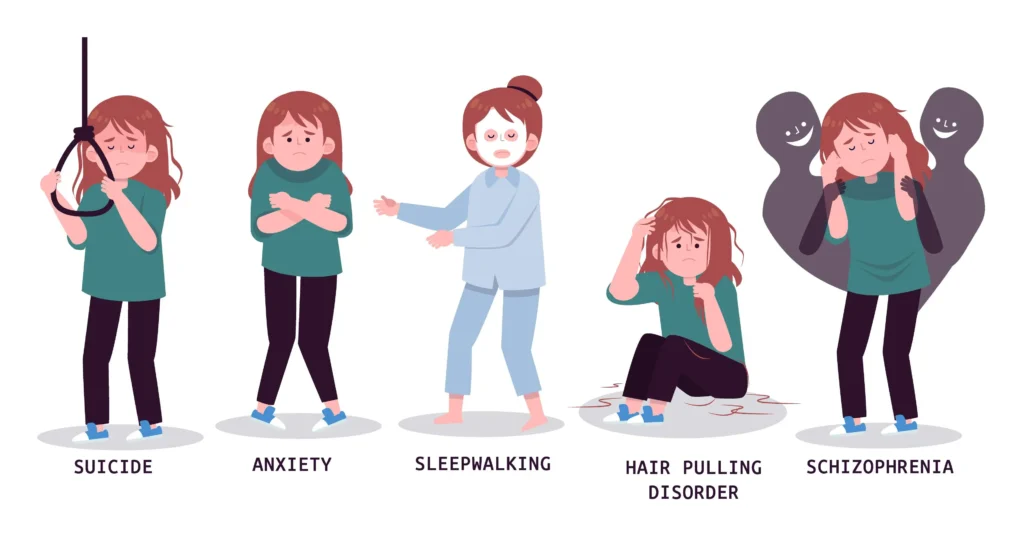
Early Signs of Mental Health Problems: What Families Should Notice
Mental health concerns rarely appear suddenly. They usually develop gradually, showing subtle behavioural, emotional, and physical shifts. Recognising these early signs of mental illness makes timely intervention possible.
Common warning signs include:
- Persistent sadness or emptiness- Feeling low for a day or two is normal. But if this mood lasts for weeks, it may indicate deeper distress.
2. Loss of interest in usual activities- A person may stop enjoying hobbies, socialising, or even basic routines.
3. Changes in sleep and appetite- Both overeating and undereating, oversleeping and insomnia, are early clues that something is not right.
4. Difficulty concentrating- People may struggle with tasks that they previously managed easily.
5. Increased irritability or anger- Irritation without a clear reason is a common early signal of emotional overload.
6. Social withdrawal- Avoiding friends, family, or interactions may point to depression or anxiety.
7. Physical symptoms without medical cause- Headaches, fatigue, muscle tension, digestive issues, and chest tightness can all stem from psychological stress.
When several of these signs appear together, it’s essential to seek help early.
Recognising Anxiety Symptoms: More Than “Just Worry”
Anxiety is often misunderstood. While worry is a normal emotion, anxiety symptoms interfere with quality of life. They may include:
- A constant feeling of nervousness
- Racing thoughts
- Rapid heartbeat
- Trouble sleeping
- Fear of losing control
- Restlessness or inability to relax
- Sudden panic attacks
Anxiety isn’t a character weakness; it is a medical condition, and with proper care, it is fully manageable.
Depression Warning Signs Families Should Not Overlook
Depression affects mood, thoughts, and the physical body. Depression warning signs may include:
- Feelings of hopelessness
- Deep fatigue
- Loss of interest in life
- Difficulty making decisions
- Excessive guilt
- Thoughts of self-harm (seek emergency care immediately)
Many people hide these feelings well, appearing “normal” while silently struggling. This is why family awareness and open conversations are so important.
Stress-Related Disorders: When Stress Becomes Harmful
Short-term stress helps the body stay alert. But when stress becomes chronic, it can lead to multiple health issues, including:
- Hypertension
- Sleep disorders
- Digestive problems
- Heart disease
- Anxiety and depression
- Weakened immunity
- Memory difficulties
Chronic stress can also lead to burnout, a state of emotional and physical exhaustion commonly seen among students and professionals.
Why Early Identification Matters
Mental health conditions respond best to early intervention. When symptoms are recognised promptly:
- Treatment is simpler
- Recovery is faster
- Complications are prevented
- Individuals regain control of their daily lives
- Families feel supported and informed
The goal is not just treatment; it is restoring balance, confidence, and long-term well-being.
How Kerala Is Embracing Better Mental Health Awareness
There has been a positive shift in mental health awareness in Kerala over recent years. Schools, colleges, workplaces, and communities now actively discuss emotional well-being. Increasing access to trained psychiatrists, psychologists, counsellors, and rehabilitation services means support is more available than ever.
Hospitals like Thangam PMRC contribute significantly by providing compassionate, evidence-based psychiatric care under one roof, reducing stigma and encouraging timely treatment.
When to Visit a Psychiatrist: Knowing the Right Time
Visiting a specialist early prevents symptoms from escalating. Consider these points if you are seeing a mental health professional.
- Symptoms persist for more than two weeks
- Daily functioning becomes difficult
- Physical problems occur without medical reasons
- Anxiety or sadness interferes with work, studies, or family life
- Panic attacks occur repeatedly
- There is a loss of interest or motivation
- Negative thoughts feel overwhelming
Seek immediate help if you are having self-harm thoughts. Thangam Hospital is recognised among trusted psychiatric treatment hospitals in Kerala, offering discreet, personalised, and holistic mental health support.
Mental Wellbeing Tips: Practical Steps for Everyday Life
While professional help is essential when symptoms become severe, lifestyle changes support long-term emotional health.
- Prioritise sleep- 7–9 hours of quality sleep improves emotional stability.
- Limit screen time- Excessive digital use increases stress and reduces concentration.
- Exercise regularly- Physical activity improves mood by increasing endorphins.
- Maintain a balanced diet- Nutrient-rich foods support brain function and mood regulation.
- Practice mindfulness- Deep breathing, meditation, or prayer helps reduce anxiety.
- Talk to someone you trust- Sharing thoughts reduces emotional burden.
- Set realistic goals- Break tasks into smaller steps to reduce pressure.
- Avoid alcohol and drugs- These worsen mental health conditions over time.
- Build social connections- Healthy relationships provide emotional protection.
- Take breaks- Short pauses throughout the day prevent burnout.
These simple habits strengthen resilience and protect mental health long-term.
How Thangam Hospital Supports Mental Wellness
Thangam Hospital offers comprehensive psychiatric care, including:
- Evaluation and diagnosis
- Counselling and psychotherapy
- Medication management
- Stress and anxiety treatment
- Depression care
- Emergency mental health support
- Rehabilitation services
- Family counselling sessions
With skilled psychiatrists, experienced psychologists, and a compassionate approach, Thangam Hospital ensures patients feel safe, heard, and understood.
You Are Not Alone: Early Action Protects Mental Health
Mental health conditions are not a personal failing; they are medical conditions that require understanding and timely care. Recognising the early signs of mental health problems, noticing shifts in emotional well-being, and seeking help early can protect individuals from long-term challenges.
If you or someone you love is struggling with persistent stress, anxiety, or depression, reach out.
Support is available. Recovery is real. Help starts today.
For professional, confidential, and compassionate care, Thangam Hospital is here to guide you toward better mental wellness—one step at a time.