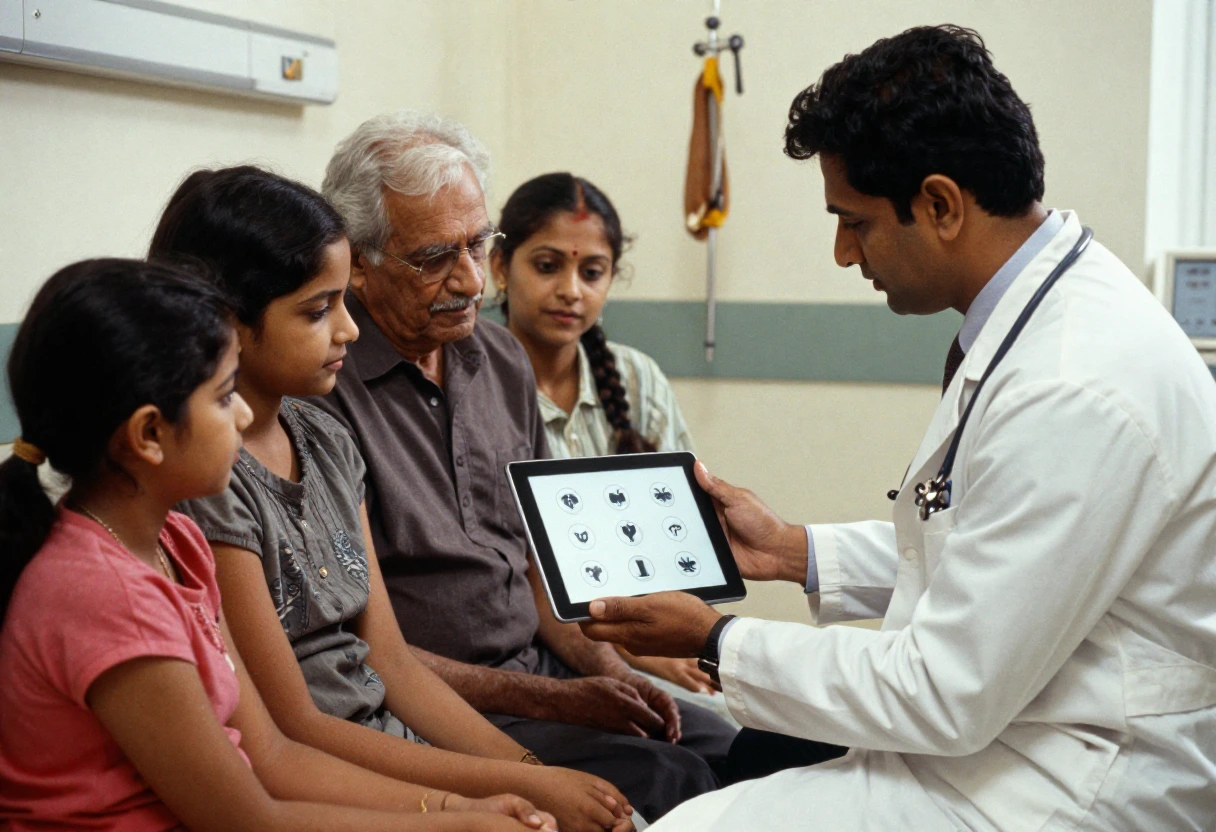
In today’s fast-paced world, we worry about many things: career, responsibilities, and finances, but somewhere in between, health often drops down the priority list. Unfortunately, most serious illnesses show no symptoms in their early stages. That’s why preventive healthcare and regular screening are more important now than ever.
A well-planned health check-up doesn’t just detect diseases; it helps prevent them. But with so many options available, how do you pick the ideal health check-up package in Palakkad that truly meets your and your family’s needs?
This guide helps you understand what to look for and how to choose the most relevant and reliable package.
Why Regular Health Check-Ups Matter
Health conditions like diabetes, thyroid disorders, heart problems, fatty liver, kidney diseases, and even some cancers develop silently. By the time symptoms appear, treatment becomes more complicated.
Routine health check-ups:
- Detect diseases early
- Evaluate risk for lifestyle disorders
- Guide healthier lifestyle changes
- Reduce long-term treatment expenses
- Offer peace of mind for you and your family
In short, diagnosis at the right time can add years to your life and health to your years.
One Size Does Not Fit All
Every person is different, and so are their health needs. A teenager does not need the same screening as a 45-year-old working professional. Similarly, a diabetic requires different tests compared to someone with recurring migraines.
That’s why the right health check-up package in Palakkad should be personalized based on age, gender, lifestyle, and medical history.
What to Consider Before Choosing a Family Health Check-Up Package
Before selecting a package, ask these simple but important questions:
- Age Group of Each Family Member
Children, adults, and seniors require different types of screening.
- Children benefit from growth evaluation, nutrition checks, and allergy screening
- Adults require hormonal, metabolic, cardiac, liver, and kidney tests
- Seniors may need eye care, bone density, cancer screening, ECG, and cardiac risk evaluation
- Existing Medical Conditions
Does anyone in the family have:
- Diabetes
- Hypertension
- Thyroid disorder
- Heart disease
- Asthma
- Liver or kidney issues
- PCOD or menstrual irregularities
Packages should align with known health concerns for accurate monitoring.
- Lifestyle Factors
Certain habits increase health risks:
- Sedentary job
- Irregular sleep
- Chronic stress
- Smoking or alcohol consumption
- Frequent fast-food intake
Individuals with such risk factors may need more detailed cardiac, metabolic, and vitamin profile tests.
- Family Medical History
If there is a hereditary pattern, screening becomes even more important.
For example:
- Thyroid disorders
- Diabetes
- Hormonal imbalance
- Heart disease
- Cancer
Early screening helps prevent or delay diseases in high-risk individuals.
- Gender-Specific Needs
Women and men require some distinct evaluations:
- Women: breast screening, thyroid profile, PCOD/PCOS screening, anemia profile, pap smear
- Men: prostate check, hormone evaluation depending on age
A good package includes these essential tests where required.
What an Ideal Health Check-Up Package Should Include
While packages vary based on age and medical needs, a comprehensive check-up typically includes:
For a complete preventive health checkup, several categories of medical tests are recommended.
To begin with, blood tests form the foundation. A full panel should include CBC, lipid profile, sugar test, thyroid evaluation, and kidney & liver profile to understand the overall functioning of the body and detect early abnormalities.
Next comes cardiac screening, especially important for adults and individuals with a family history of heart disease. This typically includes ECG, an Echocardiogram, and cardiac enzyme tests to assess heart rhythm, cardiac muscle function, and signs of possible damage.
Monitoring infection markers is also essential. Tests like CRP, ESR, and urine analysis help detect inflammation, infection, or undiagnosed internal issues that may not show visible symptoms.
To maintain healthy metabolism and immunity, testing vitamins and minerals levels, particularly Vitamin D, Vitamin B12, and calcium, is crucial. Deficiencies in these are extremely common and can affect energy, bone strength, and nervous system function.
Depending on the doctor’s advice and symptoms, imaging tests such as a Chest X-ray or Ultrasound may be suggested to evaluate internal organs and detect structural abnormalities at an early stage.
Routine cancer screening is equally vital. This includes Pap smear and breast screening for women, and PSA testing for men, based on age and risk category, to support early diagnosis and better treatment outcomes.
Finally, lifestyle-related risk assessments help identify preventable health concerns. Regular BP monitoring, BMI calculation, and abdominal ultrasound provide insights into risks associated with hypertension, obesity, fatty liver, and metabolic imbalance.
Why Thangam Hospital Is the Smart Choice for Preventive Screening
Selecting the right health check-up package in Palakkad isn’t only about the number of tests; it’s also about trust, expertise, accuracy, and comprehensive care. That’s where Thangam Hospital adds value for families.
- Wide variety of preventive packages for individuals, couples, senior citizens, and corporate professionals.
- Advanced diagnostic laboratory and imaging technologies.
- Specialist consultation included, not just reports handed over.
- Personalized review and treatment guidance when required.
- Comfort-focused facilities for hassle-free check-ups.
Instead of one-size-fits-all solutions, Thangam Hospital focuses on individual and family-based needs, ensuring meaningful and actionable results.
Tips to Prepare for a Health Check-Up
To ensure accurate results:
- Get adequate sleep the previous night
- Fast for 8–12 hours if your package includes a sugar/lipid profile test
- Avoid alcohol, smoking, or heavy meals the previous evening
- Bring prescriptions if you take regular medications
- Wear comfortable clothing
Following these simple steps helps ensure highly precise diagnostic outcomes.
How Often Should You Get Tested?
- Children and young adults (below 30), once every 12–18 months
- Adults 30–50 years, once a year
- Above 50 years or with lifestyle diseases, every 6 months
If symptoms persist, fatigue, digestive issues, recurrent headaches, weight gain, frequent urination, or hormonal imbalance, screening should be done sooner, regardless of age.
Final Takeaway
A health check-up is not an expense; it’s an investment in your future and your family’s well-being. With the right guidance and a suitable package, you can detect illness early, prevent complications, and build a healthier lifestyle.
If you’re looking for a reliable and comprehensive health check-up package in Palakkad, Thangam Hospital offers preventive screening programs designed by experienced medical professionals, so every family member receives the care they truly need.
Prioritize your health today. Book your preventive check-up at Thangam Hospital and take the first step toward a healthier tomorrow.