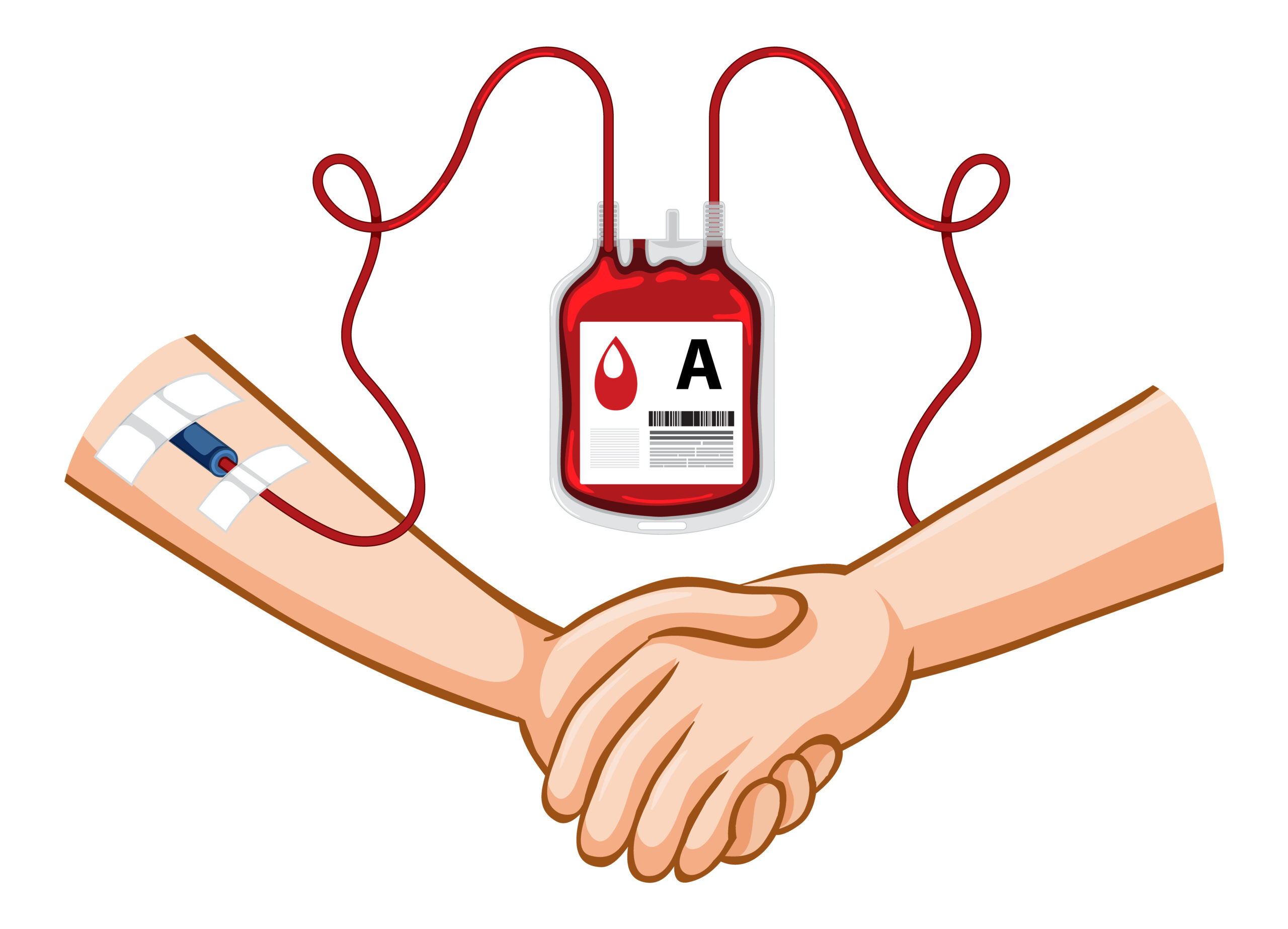
Blood donation is often spoken about as a noble act, and it truly is. But beyond the idea of generosity, donating blood is a powerful way to support healthcare systems, save lives, and even improve your own health. Every unit of blood donated has the potential to help multiple patients, yet many people hesitate because of myths, fear, or lack of awareness.
Understanding the real impact of blood donation, its benefits, who can donate blood safely, and the advantages of donating blood regularly can help more people step forward and make a life-saving difference.
Why Blood Donation Is So Important
Blood is something no laboratory can manufacture. It can only come from another human being. Hospitals require a constant and reliable supply of blood for both emergency and planned treatments.
Blood donations are essential for:
- Accident and trauma victims
- Mothers with complications during childbirth
- Cancer patients undergoing chemotherapy
- Patients with blood disorders like thalassemia or anemia
- Major surgeries and organ transplants
A single emergency can require multiple units of blood within hours. Without donors, lives are at risk. This is why blood donation is not just an act of kindness; it is a medical necessity.
Blood Donation: A Simple Act That Saves Lives
Many people imagine blood donation as a complex or painful process. In reality, it is safe, quick, and carefully monitored by medical professionals.
The actual donation usually takes less than 10 minutes, and the entire process, including screening and recovery, rarely exceeds an hour. That one hour can give someone a second chance at life.
What makes blood donation especially powerful is that one unit of blood can be separated into components, such as red cells, plasma, and platelets—helping more than one patient.
Blood Donation Benefits You May Not Know About
While the primary goal of blood donation is to help others, there are several blood donation benefits for the donor as well.
- Health Screening Advantage
Before donating blood, donors undergo basic health checks, including assessments of their hemoglobin levels, blood pressure, and pulse rate. This can help identify potential health issues early.
2. Supports Heart Health
Studies suggest that donating blood may help reduce excess iron levels in the body. High iron levels are associated with oxidative stress, which can impact heart health.
3. Boosts Emotional Well-Being
Helping others creates a sense of purpose and fulfillment. Many donors report feeling happier and more positive after donating blood.
4. Encourages a Healthy Lifestyle
Regular donors often become more health-conscious, maintaining better diets and habits to remain eligible for donation.
These benefits show that blood donation is a win-win, saving lives while supporting the donor’s overall well-being.
Who Can Donate Blood Safely?
One of the most common questions is who can donate blood safely. While eligibility may vary slightly by country or blood bank, general guidelines include:
You can usually donate blood if you:
- Are between 18 and 65 years of age
- Weigh at least 45-50 kg
- Are in good general health
- Have normal hemoglobin levels
- Are free from active infections
You may need to postpone donation if you:
- Have a fever or recent illness
- Are pregnant or have recently given birth
- Recently had surgery or certain vaccinations
- Have specific medical conditions or infections
Medical professionals always conduct a screening to ensure both donor and recipient safety. If you are unsure about eligibility, consulting a healthcare provider can clarify whether you can donate safely.
Benefits of Donating Blood Regularly
Occasional donations are helpful, but the benefits of donating blood regularly extend even further, to individuals and the healthcare system as a whole.
- Maintains Balanced Iron Levels
Regular donation helps regulate iron levels, preventing iron overload in some individuals.
2. Strengthens Community Health
A steady pool of regular donors ensures hospitals are always prepared for emergencies.
3. Faster Recovery for Donors
Frequent donors often experience quicker recovery times due to their body’s adaptation to donation.
4. Builds a Habit of Giving
Regular blood donation fosters social responsibility and inspires others to contribute.
Most healthy adults can donate whole blood every three to four months, making regular donation both safe and impactful.
Common Myths Around Blood Donation
Despite its importance, myths prevent many people from donating. Let’s clear a few common misconceptions:
- Myth: Blood donation makes you weak
Fact: The body replaces lost blood within days. Most donors resume normal activities the same day. - Myth: It’s painful
Fact: The needle prick feels similar to a routine injection and lasts only a few seconds. - Myth: Donating blood causes infections
Fact: All equipment used is sterile and single-use. - Myth: Older adults cannot donate
Fact: Many healthy individuals can donate well into their 60s.
Awareness helps break fear and encourages more people to become donors.
How to Prepare for Blood Donation
Preparing properly ensures a smooth donation experience:
- Eat a healthy meal before donating
- Drink plenty of water
- Get adequate sleep
- Avoid alcohol the day before
- Wear comfortable clothing
After donation, rest briefly, have a light snack, and stay hydrated.
Why Blood Donation Matters More Than You Think
Blood shortages are a reality, especially during emergencies, festivals, and natural disasters. Voluntary blood donation ensures that lifesaving care is never delayed due to a lack of supply.
In many cases, patients depend on regular donors to survive. For them, blood donation is not symbolic; it is survival. Every donor becomes an invisible hero, helping someone they may never meet but whose life depends on that act of kindness.
Conclusion: Be the Reason Someone Lives
Blood donation is one of the simplest ways to make a profound difference. By understanding the importance of blood donation, recognising the blood donation benefits, knowing who can donate blood safely, and appreciating the benefits of donating blood regularly, we can build a healthier, more compassionate society.
You don’t need a special skill or extraordinary strength, just the willingness to help.
Donate blood. Share life. Be someone’s hope.